

If you’re trying to decide whether to build a home or buy an existing one, you’re not alone. Many buyers struggle with this choice. Both options come with advantages and drawbacks. Understanding the differences can help you make a confident decision.
In this guide, we’ll break down the pros and cons of building a new home versus buying a resale home. By the end, you should have a clearer idea of which option best fits your lifestyle, budget, and timeline.
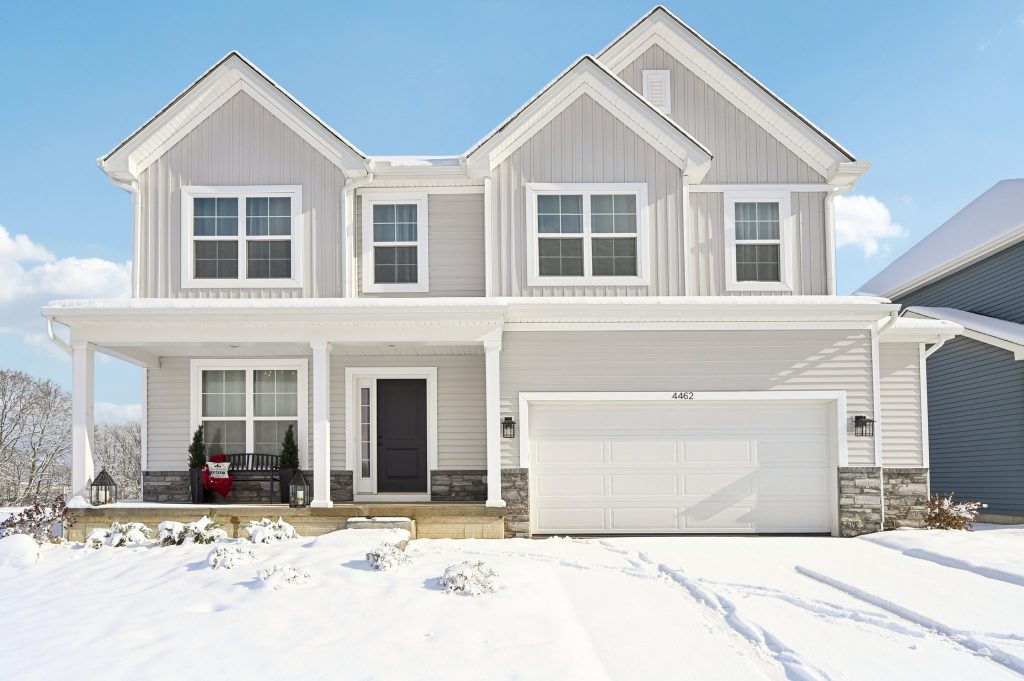
Benefits of Building a New Construction Home
One of the biggest advantages of new construction is that everything is brand new. That means a new roof, HVAC system, appliances, and plumbing. Because nothing has been used before, buyers usually face fewer repairs in the first several years. Most builders also include warranties, which offer peace of mind and protection from unexpected issues.
Customization is another major benefit. Options vary by builder, but many allow buyers to choose their floor plan, finishes, and upgrades. Custom builders offer the most flexibility, while production builders may have preset packages. Meeting with different builders can help you understand what is possible. New homes also tend to have modern layouts, larger kitchens, walk-in closets, and more storage space.
Builder incentives can also make new construction more attractive. Some builders offer interest rate buydowns, closing cost assistance, or free upgrades. While not every builder offers all incentives, many use a combination to attract buyers. These perks can lower your monthly payment and sometimes allow you to afford more home compared to buying a resale property.
Drawbacks of Building a New Home
The biggest concern for many buyers is the timeline. Building a home usually takes six to twelve months. Some builders can finish in as little as three months, but this varies. If you don’t want to wait, a spec home may be a good option. These homes are already started or nearly complete. You can choose some finishes, but you’ll have less customization.
Unexpected costs can also come up. With custom homes especially, buyers may face lot premiums and upgrade temptations. Builders often advertise base prices that do not include popular features. Once upgrades are added, the price can increase quickly. It’s important to understand what is included from the start.
New neighborhoods may also feel less established. You may see fewer trees, unfinished amenities, and ongoing construction. Living near active building sites can last for years depending on the community. While temporary, this is something buyers should be prepared for.
Property taxes are another important factor. During construction, taxes are often based only on the land. After the home is finished, the county reassesses the property at its full value. This can cause a noticeable increase in your tax bill. Some buyers are surprised when their escrow payment goes up. Planning for this in advance is key.
Some communities offer tax abatements. These programs can lower your property taxes for several years. This varies by area but can save homeowners thousands of dollars.
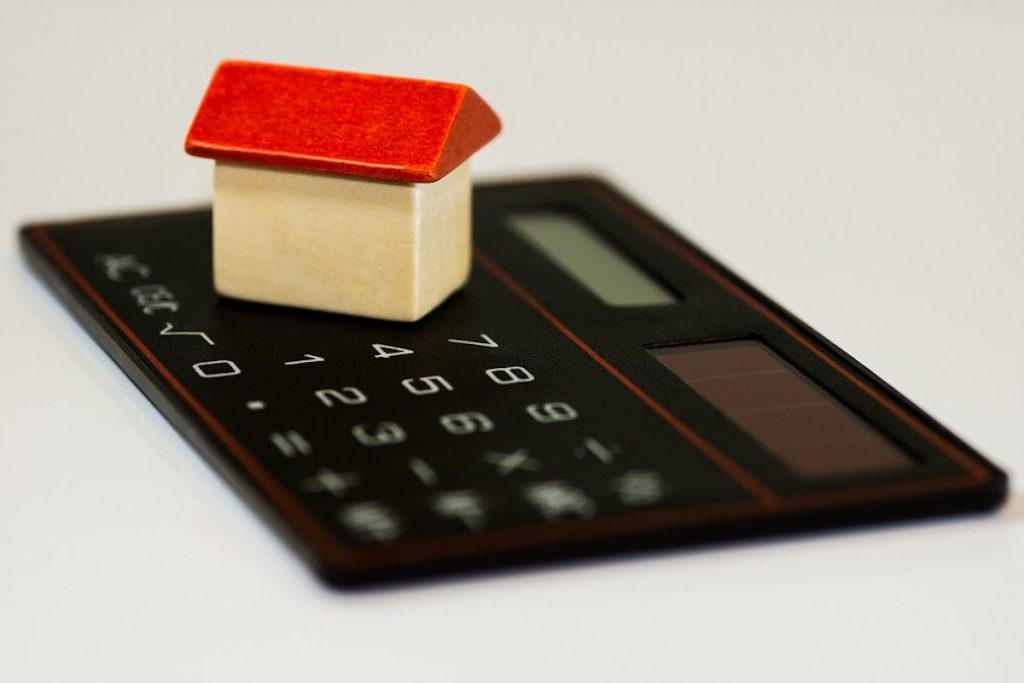
Advantages of Buying an Existing Home
One of the biggest benefits of a resale home is speed. Most closings happen within 30 to 45 days. This is ideal for buyers who need to move quickly.
Older homes often have more character and charm. You may find unique layouts and architectural details that are hard to replicate in new construction. Mature landscaping is another bonus.
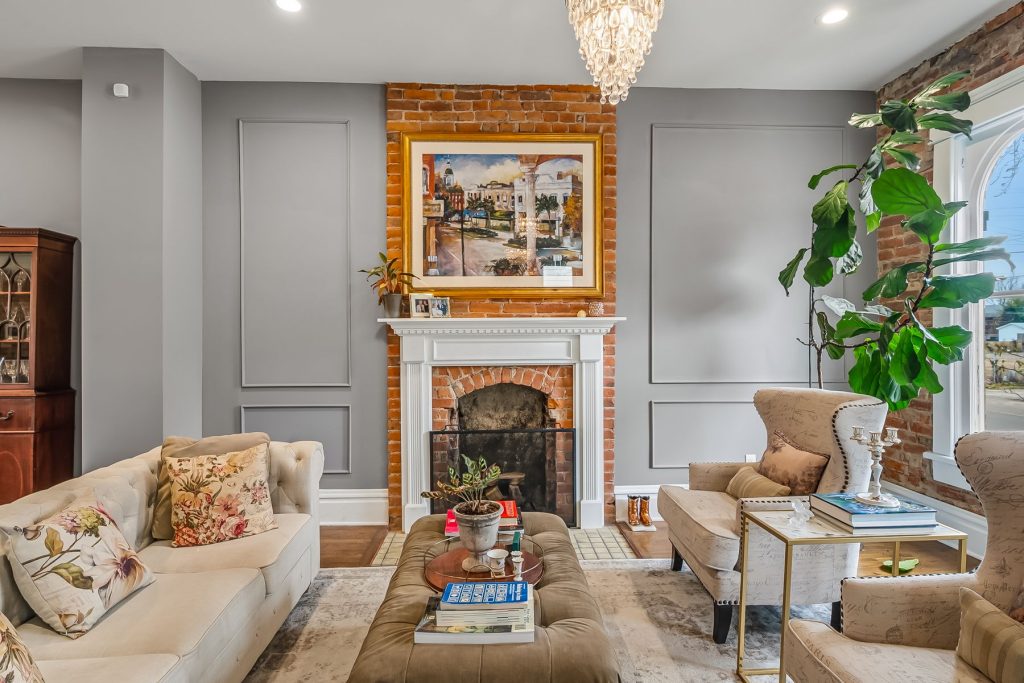
Negotiation is also easier in the resale market. Buyers may be able to negotiate price reductions, seller credits, or repairs. Since you’re usually working with individual homeowners, there is often more flexibility than with a builder.
Established neighborhoods also offer a stronger sense of community. Many have long-term residents, mature trees, and a history that adds to the area’s appeal.
Disadvantages of Buying a Resale Home
Maintenance is one of the biggest drawbacks. Older homes may have aging roofs, HVAC systems, and appliances. Some sellers update these items, but buyers should be prepared for potential repairs after moving in.
Competition can also be challenging. In a strong seller’s market, buyers may face multiple offers. Some feel pressured to waive inspections or appraisal contingencies to win a home. This process can be emotional and stressful.
Resale homes may also have outdated layouts or finishes. Smaller kitchens, closed floor plans, and limited storage are common. Renovations can help, but they add time and cost.
Who Should Consider Building a New Home?
Building a new home is often best for buyers who are not in a rush, want a customized layout, and prefer minimal maintenance for the first few years. It’s ideal for those who value modern design, energy efficiency, and the ability to personalize their space from the start.
Who Should Buy an Existing Home?
Buying a resale home may be the right fit for buyers who need to move quickly, appreciate character and charm, and want to live in an established neighborhood. It’s also a good option for those who don’t mind making updates and want more negotiating power during the purchase process.
Final Thoughts: Building vs Buying a Home
There’s no one-size-fits-all answer when choosing between new construction and resale homes. Your decision should be based on your budget, timeline, personal style, and long-term goals. If you’re unsure which option is right for you, let’s talk through your priorities and create a plan that fits your needs.